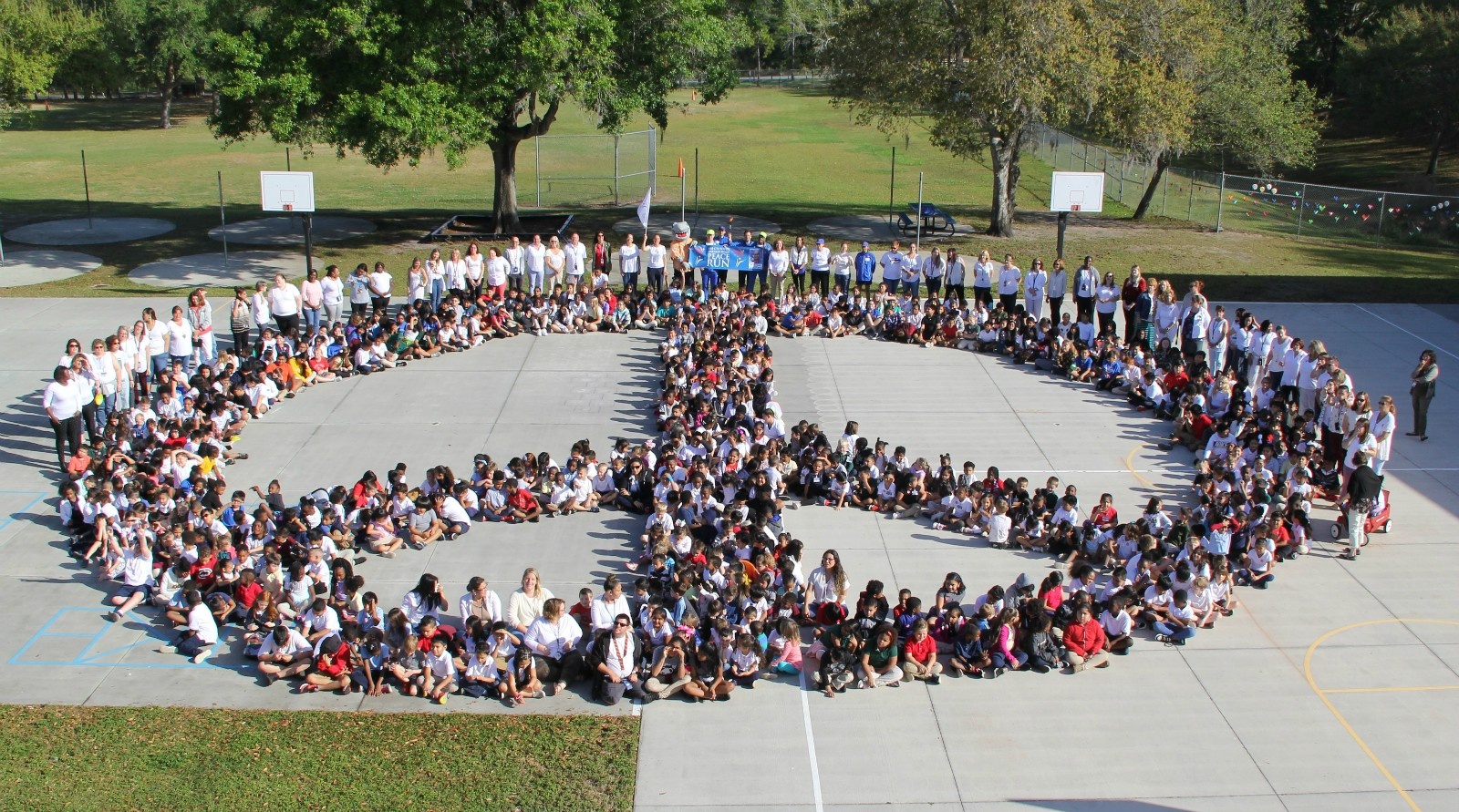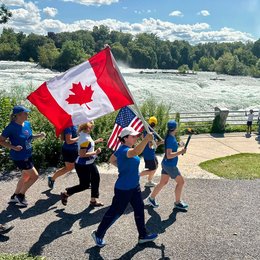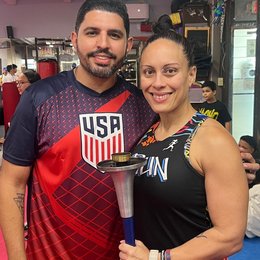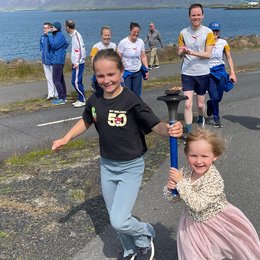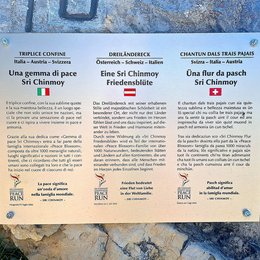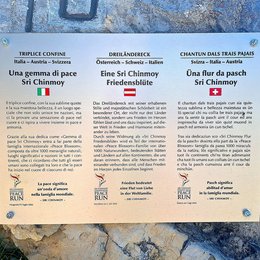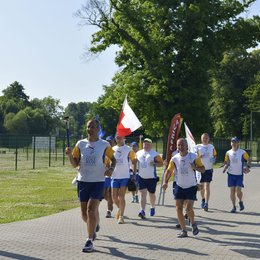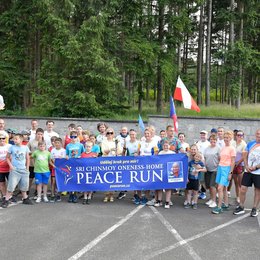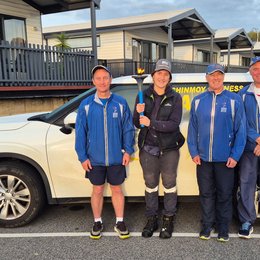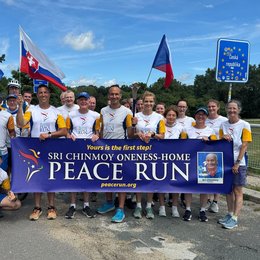
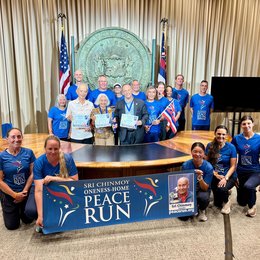
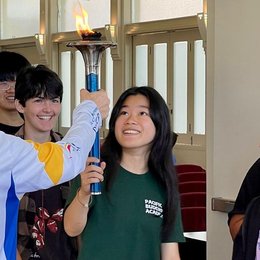


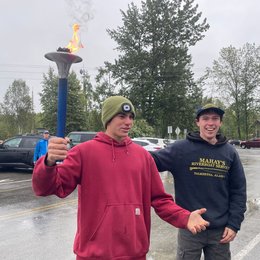

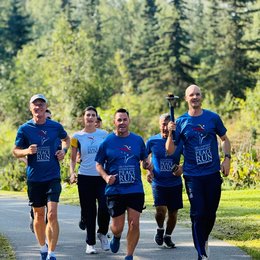
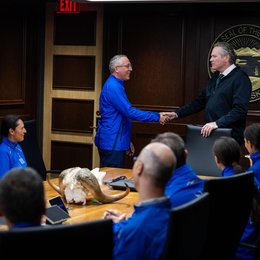
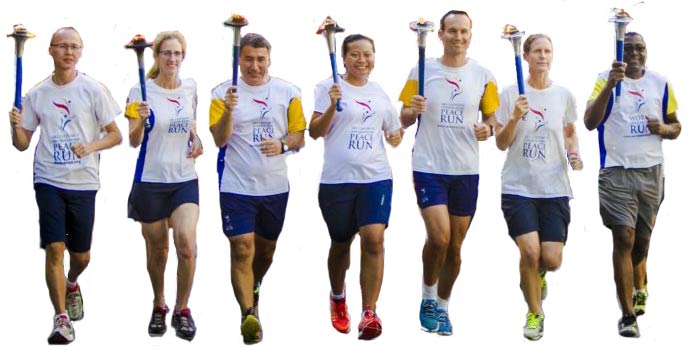
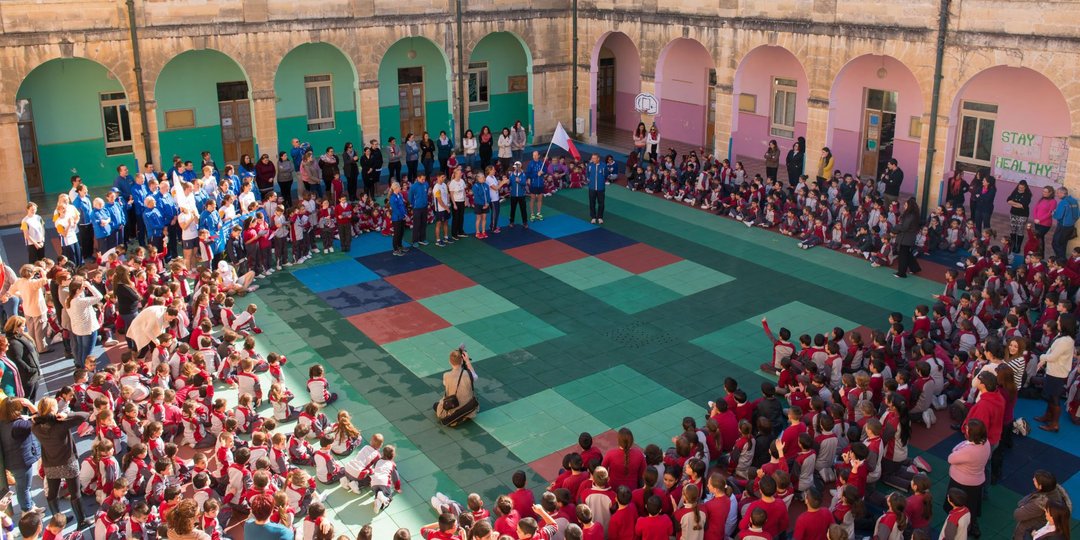
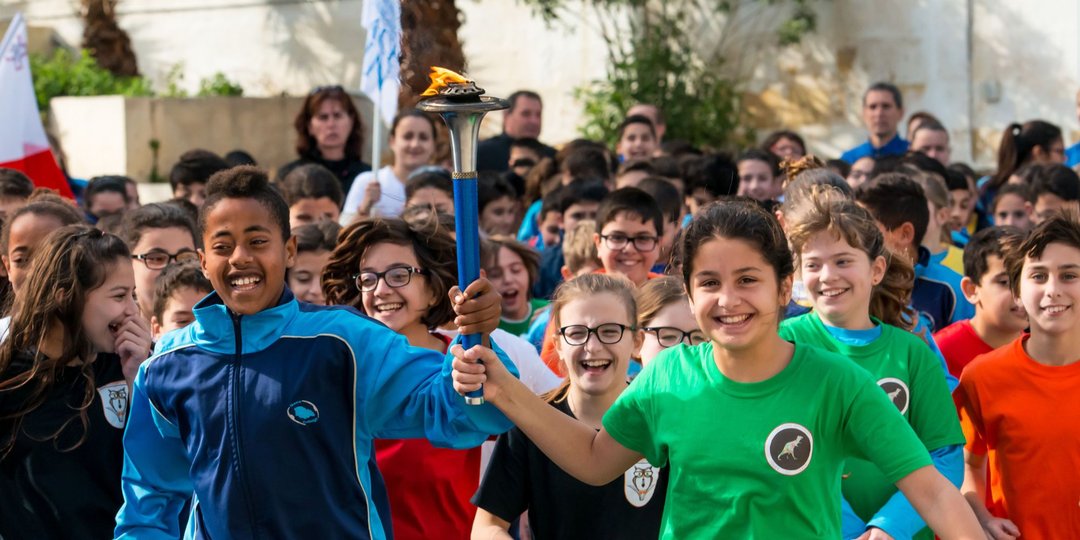
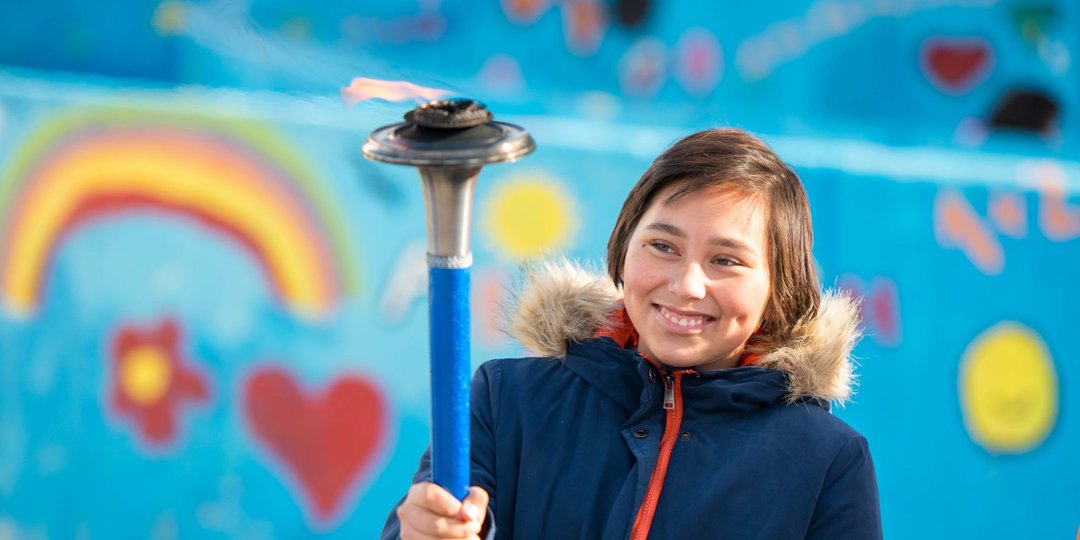
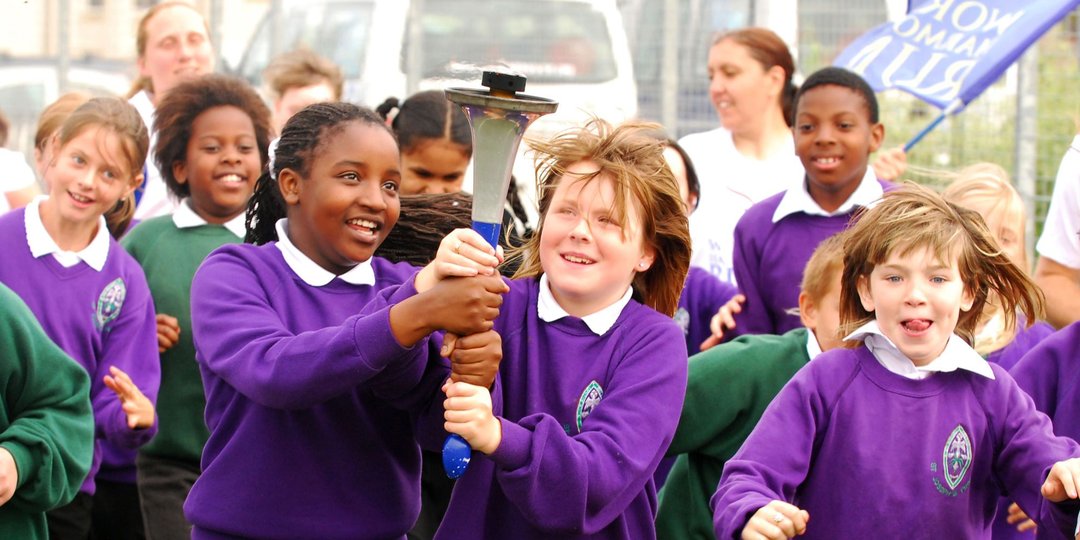
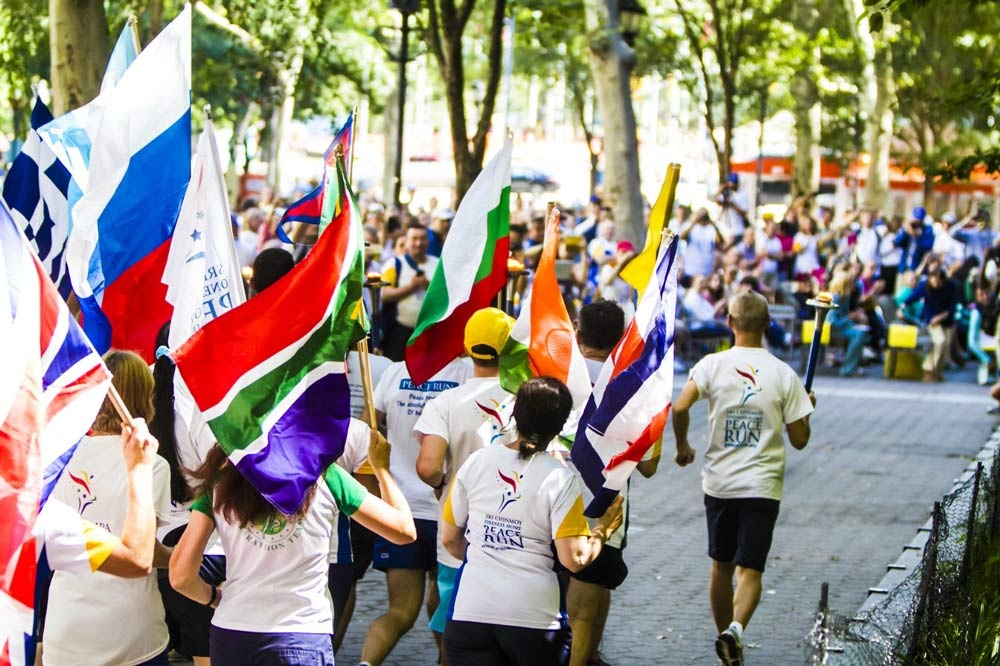
The Peace Run offers a dynamic presentation that seeks to involve and educate children, more than 25,000 schools and youth groups around the world have welcomed the Peace Run.
What happens when the Peace Run visits?
Each Peace Run program is unique and special, yet certain parts we always share.
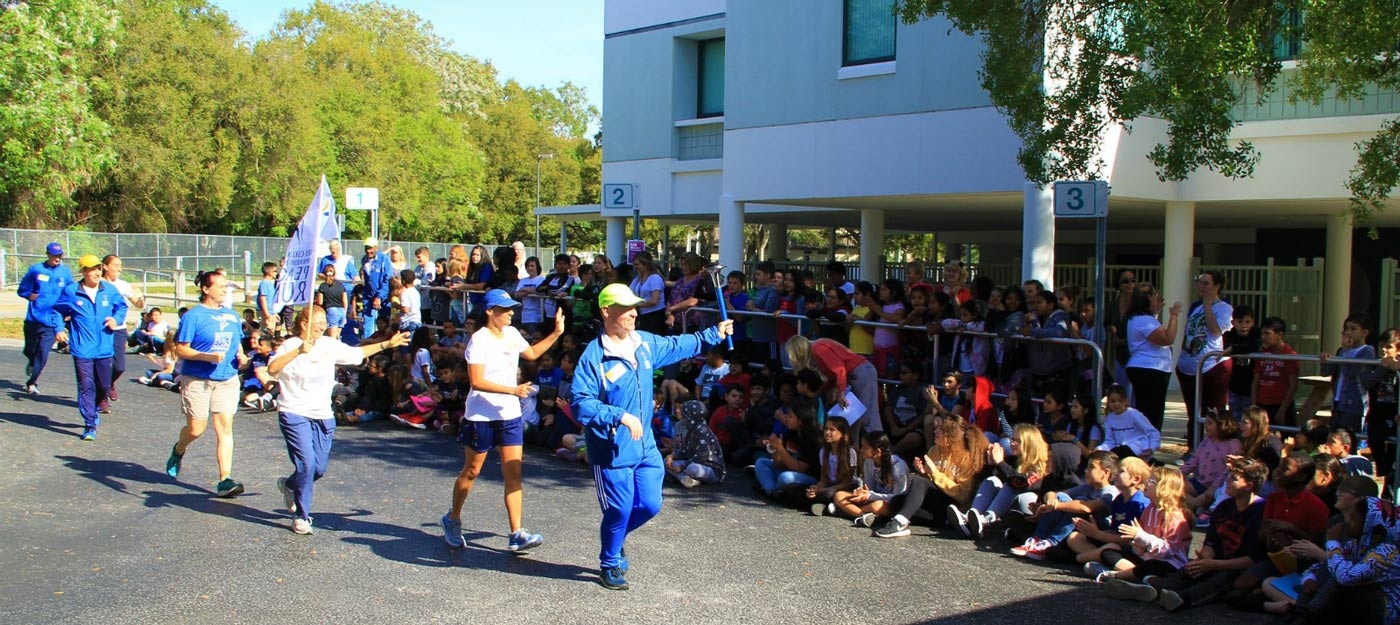
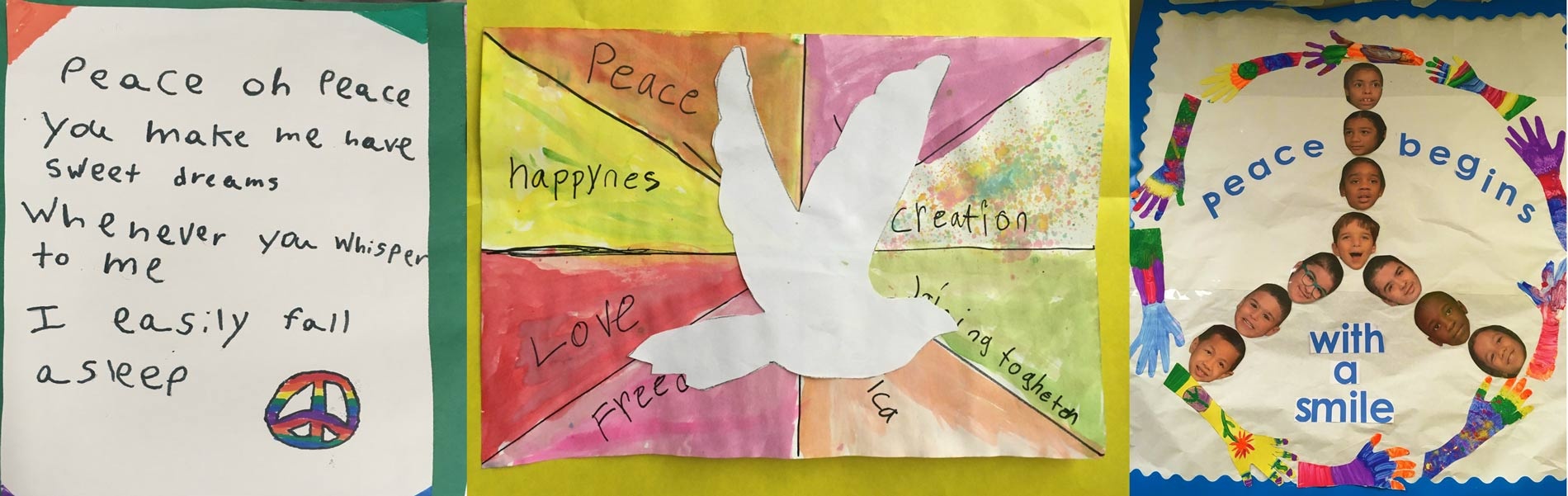
- Often, students greet the Peace Runners’ arrival with large peace banners, drawings, paper peace doves and torches and/or other artwork for peace.
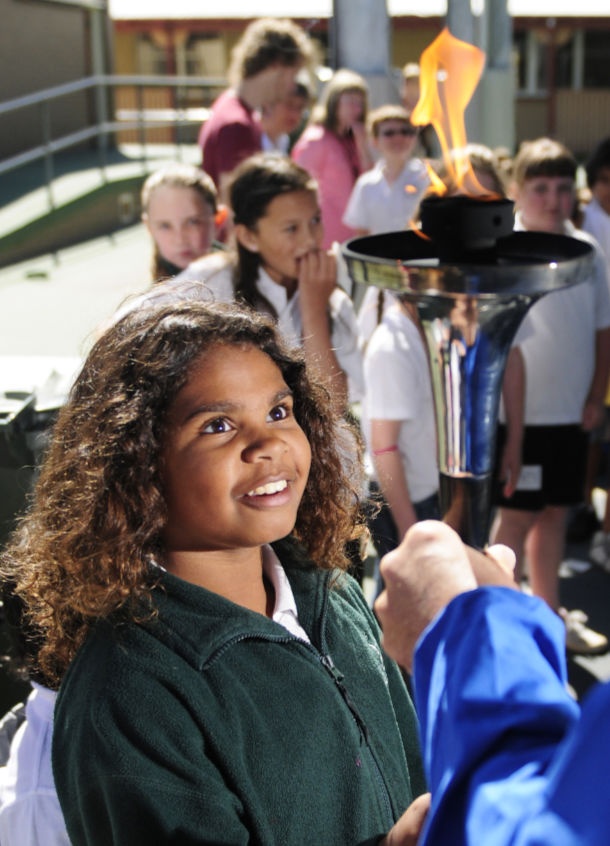
- Student representatives run into the school with the team, carrying the Peace Torch.
- Our international team gives a joyful and engaging presentation, that can involve games, theatrical skits and music, and is targeted towards the particular age group.
- Students may read essays, poems and messages they have written about peace, perform plays, play instruments, dance and sing.
- Where possible, all in attendance hold the Peace Torch for a moment and offer a silent hope or wish for peace.
- Finally, everyone joins in a group Peace Run or walk in a suitable area.
- Usually, the Peace Run program lasts 45-60 minutes. The lasting peace and joy can stay much longer.
-
The Team is always able to share a thoughtful and inspiring program, even if students and teachers are not able to prepare.
Preparing for the Peace Run
There are many ways to welcome the runners' when they arrive at your school or community. What are you excited about and what would you like to share with the team? Here are some ideas.
Join this year's Art Initiative
"AMERICA, OUR ONENESS HOME"
What does Oneness Home mean and what does it look like in America and in our world? Peace Run founder Sri Chinmoy referred to it as a place of unity where peace, love and harmony abide. That may also include a place where people from all backgrounds, cultures and religions are free to live in friendship, equality and peace. Youth are invited to create artwork that represents these values to them. Selections of artwork from all 50 States will join a national exhibit entitled "America, Our Oneness Home". The exhibit will be displayed in cities across the United States following the completion of the 2026 Peace Run.
Artwork Guidelines
- 8.5" x 11” is requested. Exceptional work of other sizes will be considered.
- Paint, crayons, pen and/or pencil drawings, collage are all encouraged. All creativity is welcome.
- Labeling artwork (front lower corner, if possible):
- Artist’s Name – first name only
- Artist’s Age
- School Name, City, State
The Peace Run Team will collect the artwork when they arrive in your city/school. Please give to the team after the program is complete.
Kindly collect the artwork, so it is easy to carry and portable. If you are able to place it in a large envelope or carrier for its safety, it would really help!
We encourage you and your young artists to choose a few you feel are exceptional for the National Exhibition.
Note: Artwork given to the Peace Run is considered a donation. It will be displayed with that in mind and for purposes of promoting peace and goodwill. No monetary considerations will be given to receive or exhibit the artwork by the Peace Run and/or its use on www.peacerun.org or any social media outlets.
More Suggested Student Activities
- Write a poem about your vision of a oneness-home in America or in the whole world.
- Write an essay about how the vision of the Peace Run and the vision of the United States are similar.
- Create a banner or a mural that shows the peace torch being carried around the United States.
- Create a short song or skit that expresses how we can build a community of belonging at our school or in our city.
Please join us on our journey in 2026 as the Peace Run celebrates America's 250th birthday and reignites the spirit that connects us all as Americans. And share what it means to live in “America, Our Oneness Home”.
For Teachers and Educators (More Comprehensive Activities)
Learning about the Peace Run
- Invite the children to follow the Peace Run's journey on a map, logging the miles each day with a sharpie as they get closer to you.
- Good questions to ask: Where do the runners begin and end? What countries have we visited? How long do we run each day? - and most importantly: Why are we running?
Poetry, Writing and Artwork for Peace
- Students create poetry, prayers, ideas, and art about world peace that can be read out and shared. Good topics are: What does peace mean to me? - How can I help make a more peaceful world? See artwork from other schools
- Classes create art projects that contribute to a larger art presentation such as collage, art corridors along school hallways and outdoor displays.
- We can post the artwork and stories on our website for other children around the world to see and enjoy!
Learning about Countries
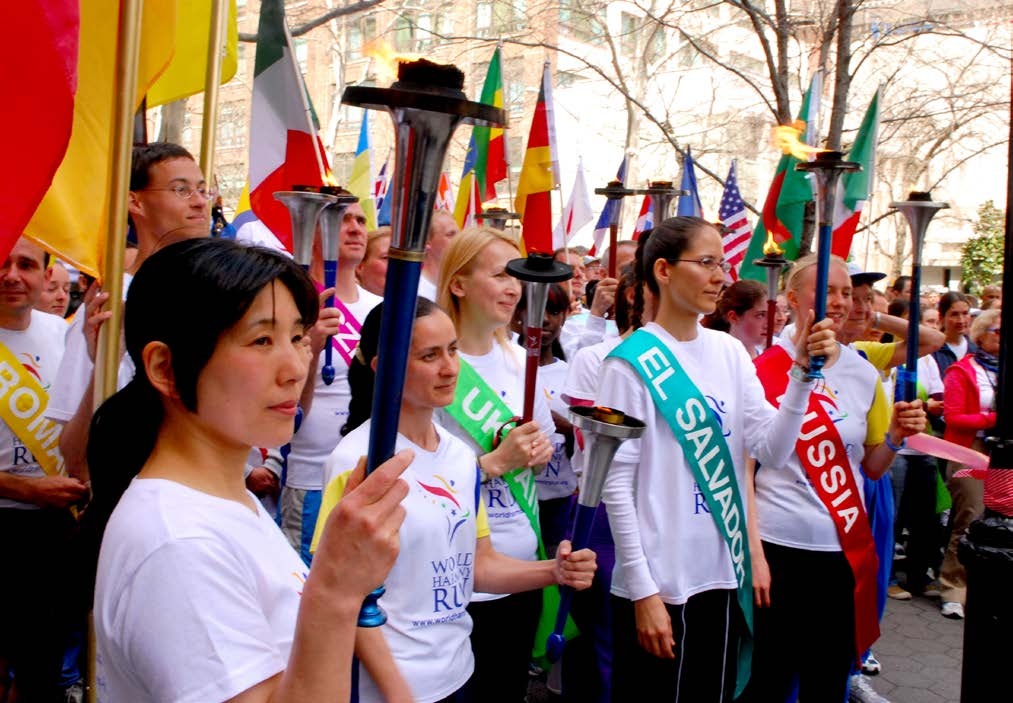
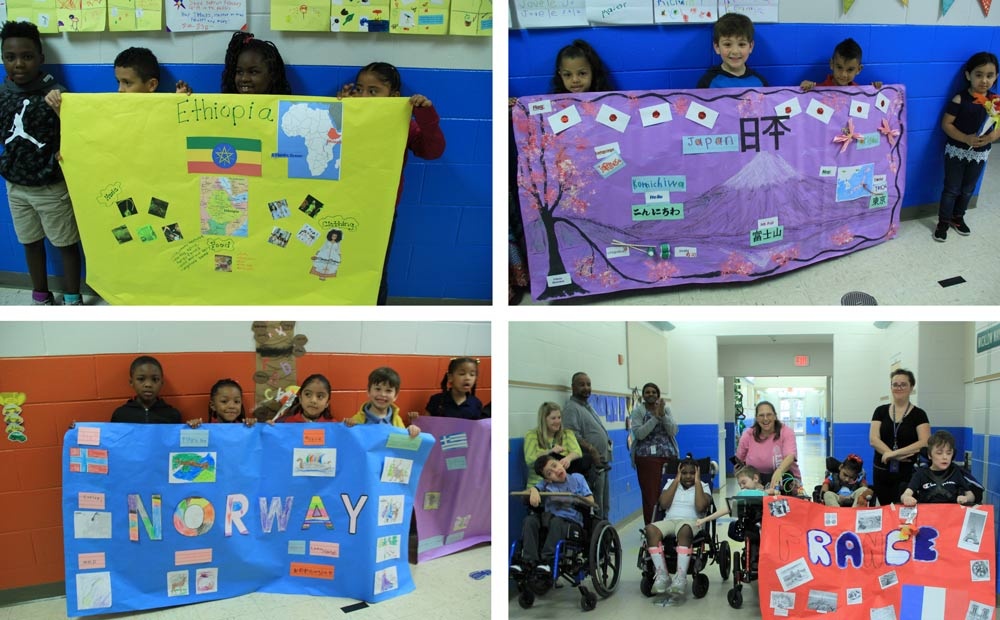
Invite students to choose a nation or a few nations, research that nation's culture and what it has done towards peace.
If the Peace Run is coming to your school, you can find out where the international runners come from, and maybe choose some of those countries to do a project on! Most of our runner bios are on our team page, and you can contact us to get an up-to-date list.
When the students select their country, here are some potential projects to work on:
- Investigate if the Peace Run has traveled through that country. When did we go there? Who did we meet? You can find a lot of information on our website - when we visit somewhere we always write a report about that day. Find a day or a meeting that really inspired you.
- The students could even contact a school in that country that has been a part of the Peace Run - contact us and we can definitely help with that part!
- Find traditional songs, costumes or games from that nation.
- When the Peace Run arrives, the students could present their work to the school and to the Peace Run Team, and also send to us to post on our website!
Students Discover their Community
The Peace Run is all about discovering peace and goodness in the world around us, and it is a great opportunity to invite the students to think of the community around them, with the following questions:
 Is there someone in your community, or who you know, who really inspires you, as someone who is working towards a better world? Someone who makes people feel happier and better about themselves? Very often all we hear is the bad news in the world, and we don't see all the good things that people are doing. Or we take them for granted. Invite students to recognize these people with a story, poem or artwork praising their good work.
- Ask the Team to present that person with our Torch Bearer Award! To find out about the Award and how you can nominate people, go to this page »
- Does your school sponsor projects that foster friendship and oneness?
- There are probably quite a few people in your life - family and friends - whose lives are happy and joyful because of you. Your presence alone brings peace and love into the world by what you share of yourself with them. When you realize the good things you do already, you can try to do more!
We would love to hear about this when we come to your school!
What can I do for Peace?
Ask the students to look at their own lives and examine their interactions with people, family, school, community and the world at large. From this they will be able to find small ways in which they can make a difference in the world.
 Use five minutes at the end of class to discuss one quality that makes your school a happy and peaceful place. Topics could include: Gratitude, Forgiveness, Empathy, Kindness, Selflessness, Encouragement, Benevolence, Tolerance, Goodwill, Honesty, Patience, Compassion, Integrity, Thoughtfulness...
- Ask the students to come up with seven ways to make the school a happy, peaceful place for everyone. Create an award for students who follow through and implement one of these ideas.
- Ask the students to make a Pledge for Peace. Each student can write down their pledges and present these to the Peace Run Team when they arrive at the school. Pledges can include things like: smiling more than frowning; visiting their neighbours; volunteering for the community...
Peace through Music
The Peace Runners would love to hear whatever performances of Peace-themed songs that your class or school choir would have to offer!
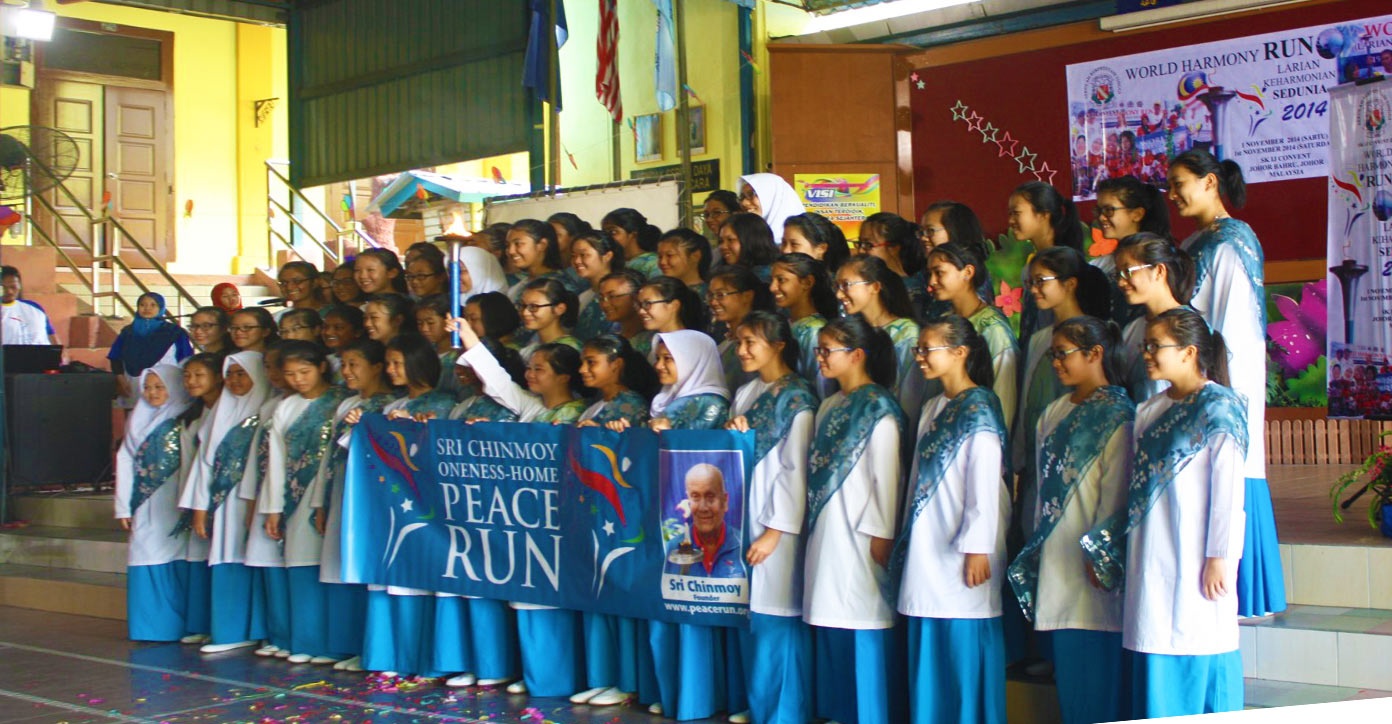
And if you would like, you could even perform our Peace Run and World Harmony Run songs by Sri Chinmoy. They are very joyful and dynamic and for the runners, they really embody the spirit of the Run.
The World Harmony Run song, by Sri Chinmoy
Cultivating a Feeling of Peace
The Peace Run tries to cultivate a feeling inside each of us of friendship and oneness, a feeling that the world is one family. Here are a few exercises you can do with the class:
- What if there was Peace in the Whole World? You can take a short period of time with the class (30 seconds - 2 minutes)in silence, to imagine what it would be like if we lived as one world family. Imagine people in the whole world happy and helping each other. Imagine our whole planet as one big community, where each person is respected and appreciated.
-
A Flame of Peace When you need the students to be calm and focused, take 30 seconds for a group activity: Ask them to close their eyes and imagine a tiny flame of peace—like the Peace Torch—inside the center of their chest. With a few deep breaths, they can expand that warm, glowing feeling—allowing it to spread throughout their whole being, into the classroom, and then out into the world.
- Music for Peace Invite the children to close their eyes and listen to some calm, inspiring music, then afterwards you can discuss how the music made them feel. We have some bulletpoints outlined on our Children page, that you might like to use as a template for the exercise.
-
An Affirmation of Peace Take two minutes to discuss and repeat a positive affirmation. You could use some of the ones below:
“The only way to have a friend is to be one.” —Ralph Waldo Emerson
“We may encounter many defeats but we must not be defeated.” —Maya Angelou
“It always seems impossible until it’s done.” —Nelson Mandela
”It is better to light a candle than curse the darkness.” —Eleanor Roosevelt
“Whoever is happy will make others happy too.” —Anne Frank
”Let it be the time for us to dream of world-peace.” — Sri Chinmoy
Resources
Here are a few things that might be of use as you prepare your peace curriculum:
Useful Printouts
- Our 1 page guide for classroom ideas
- A checklist for school visits
- Our Peace Run brochure - this one is not so amenable to printing; if you feel having hard copies would be useful to you, please get in touch!
Peace in 35 Languages
| 1. Afrikaans: Vrede | 18. Thai: สันติภาพ (santipap) |
| 2. Aragonese: Patz | 19. Basque: Baké |
| 3. Arabic: سلام (salām) | 20. Persian/Farsi: صلح (solh) |
| 4. Haitian Creole: Lapè | 21. French: Paix |
| 5. Aymara: Hacaña | 22. Irish: Síocháin |
| 6. Bulgarian: Мир (mir) | 23. Manx: Shee |
| 7. Bengali: শান্তি (śānti) | 24. Hebrew: שלום (shalom) |
| 8. Tibetan: ཞི་བདེ (zhi-bde) | 25. Hindi: शांति (śānti) |
| 9. Catalan: Pau | 26. Igbo: Udo |
| 10. Chamorro: Minaggen | 27. Icelandic: Friður |
| 11. Cherokee: ᏙᎯᏱ (dohiyi) | 28. Japanese: 平和 (heiwa) |
| 12. Welsh: heddwch | 29. Maori: Rangima’arie, Nohopuku, Rongo |
| 13. Danish: Fred | 30. Dutch: Vrede |
| 14. German: Friede | 31. Polish: Pokój |
| 15. Greek: Ειρήνη (iríni) | 32. Russian: Мир (mir) |
| 16. Esperanto: Paco | 33. Scots: Pace |
| 17. Spanish: Paz | 34. Turkish: Barış |
| 35. Italian: Pace |
Torch as a Symbol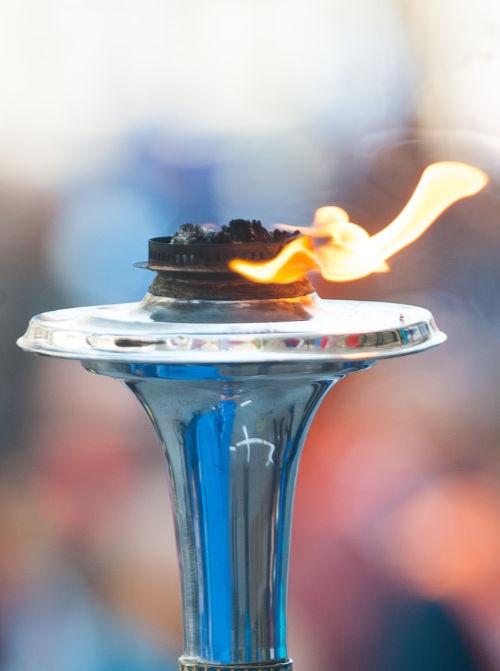
(from Wikipedia) The torch is a common emblem of both enlightenment and hope.
Thus the Statue of Liberty, actually entitled “Liberty Enlightening the World”, lifts her torch. Crossed reversed torches were signs of mourning that appear on Greek and Roman funerary monuments—a torch pointed downwards symbolizes death, while a torch held up symbolizes life, truth and the regenerative power of flame. In the seals of schools in the Philippines, the torch symbolizes the vision of education to provide enlightenment to all the students.
A torch carried in relay by cross-country runners is used to light the Olympic flame which burns without interruption until the end of the Games. These torches and the relay tradition were introduced in the 1936 Summer Olympics by Carl Diem, the chairman of the event, because during the duration of the Ancient Olympic Games in Olympia, a sacred flame burnt inside of the temple of Hera, kept in custody by her priestess.